Into the Labyrinth
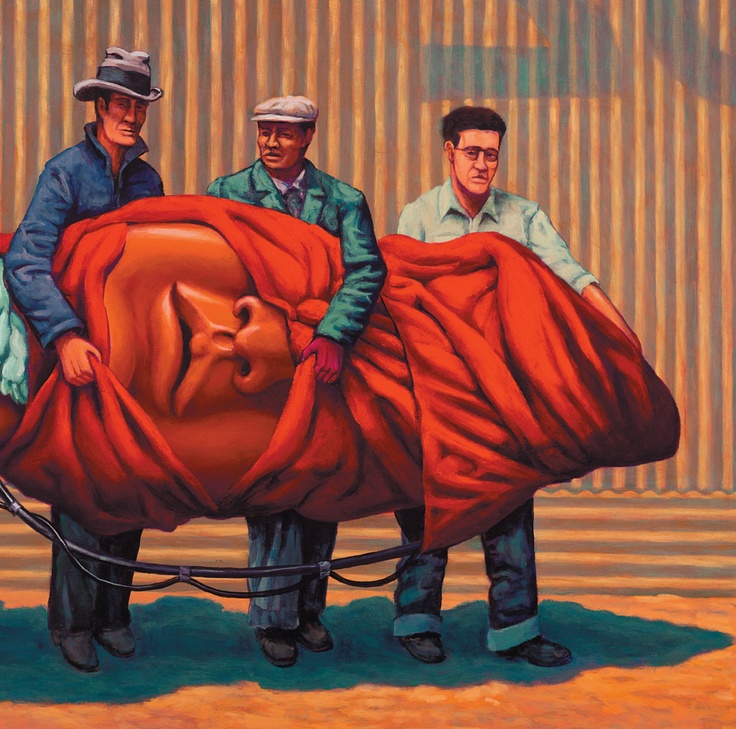
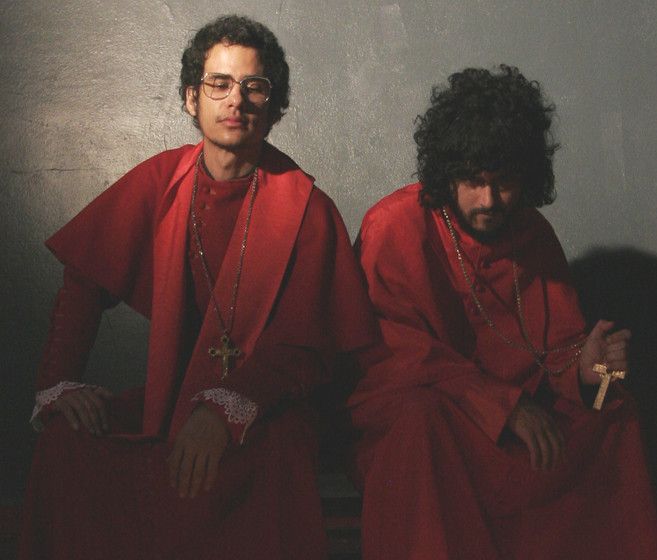
There are bands that push boundaries, and then there are bands that seem constitutionally incapable of recognising that boundaries exist at all. The Mars Volta — the duo of Omar Rodríguez-López and Cedric Bixler-Zavala, augmented by a rotating cast of the fearless and the freakishly talented — have always belonged firmly in the second category. But Amputechture, their third studio album, is the record where that refusal to compromise hardened into something close to philosophy.
Released on September 12, 2006, after the sprawling excess of Frances the Mute, Amputechture arrived with reports of restraint and clarity. Don't be misled. What it actually delivered was 76 minutes of the most viscerally alive progressive rock of the decade — eight tracks, no unifying concept narrative for the first time in the band's career, and a newfound ferocity that felt less like a loosening of form and more like a tightening of nerve.
The most diverse set The Mars Volta had ever assembled — drawing fiery jazz spirituality and esoteric folk into the tornado. Fearless, insatiable, unstoppable.
— Bandcamp / Gold Standard LaboratoriesRecorded across Los Angeles, El Paso, and Melbourne between November 2005 and May 2006, the album was produced in full by Rodríguez-López and mixed by Rich Costey. It also marked the debut of former At the Drive-In bandmate Paul Hinojos — and crucially, features John Frusciante of the Red Hot Chili Peppers lending lead guitar throughout. Frusciante's presence freed Omar to step back into the producer's seat and listen with fresh ears. The result is an album where every sonic decision sounds deliberate, dense, and alive with intention.
The Tracklist
Eight tracks. Each one a world. The album moves from spectral introversion to explosive catharsis, from folk-adjacent introspection to jazz-infused polyrhythmic brutaliry — and somehow it holds together as a single statement. Here's the full picture:
Control & Chaos
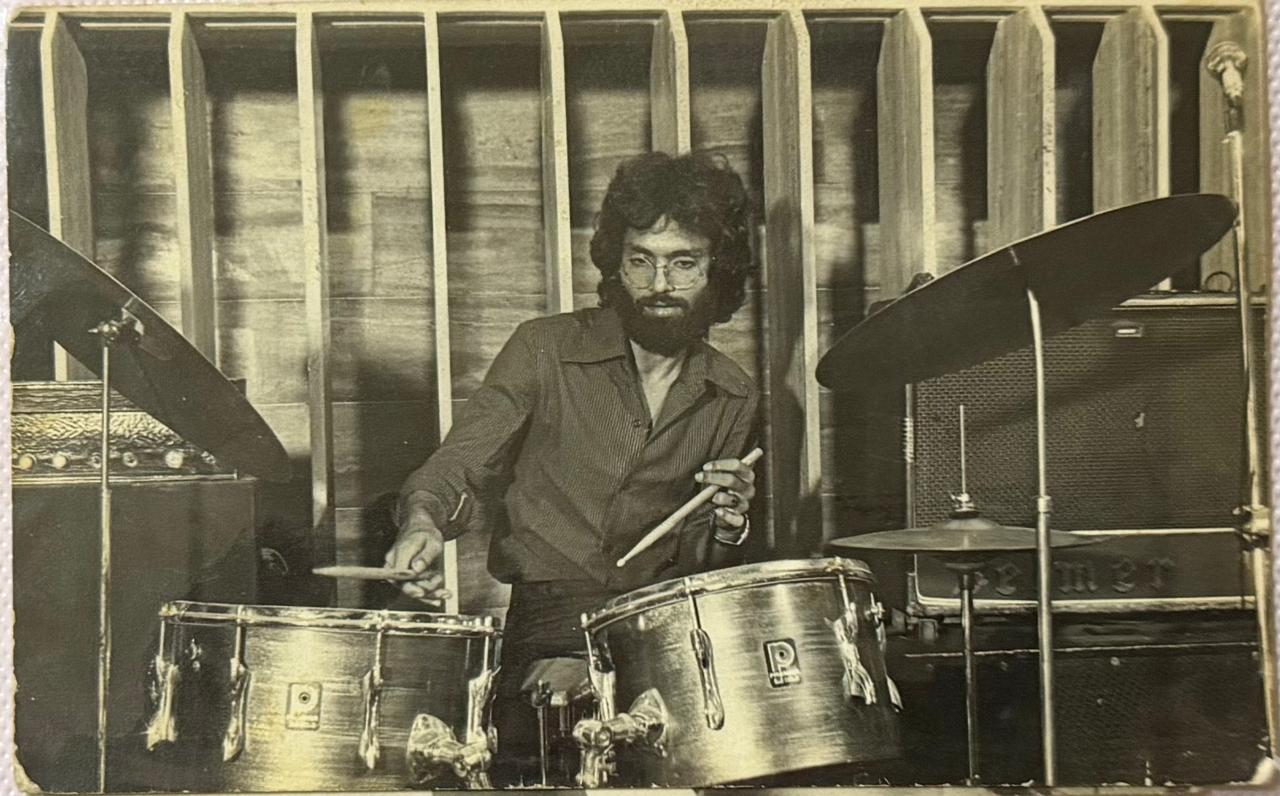
The paradox at the heart of Amputechture is that it sounds like it's coming apart at the seams at any given moment — and yet it never does. Rodríguez-López's production is dense without becoming suffocating, chaotic without becoming directionless. The rhythm section of Jon Theodore (drums, making his last appearance with the band) and Juan Alderete de la Peña (bass) hold the shifting time signatures with a precision that borders on the telepathic. When the album threatens to fragment, it's Theodore who anchors it back to something you can feel in your sternum.
Frusciante's contribution deserves its own paragraph. The man essentially played lead guitar across an entire album at the invitation of two artists so strong in their identity that, as AllMusic noted, he makes "virtually no individual impression on this record." That is not a criticism. It means the songs were larger than any single performer. Frusciante dissolved into the Volta machine and the machine became something it couldn't have been without him.
And then there is Asilos Magdalena — which remains one of the most startling moments in the band's catalogue. A single acoustic guitar. Cedric singing in Spanish, quietly, without ornament. Four minutes into a record that has been trying to dismantle your nervous system, and suddenly you are alone with something genuinely tender. It is the kind of contrast that only works if you've earned it — and by track five, The Mars Volta had.
Why It Still Hits
Nearly two decades on, Amputechture sounds less like a product of 2006 than a dispatch from some untethered dimension the rest of rock music never figured out how to access. Its vinyl pressings — particularly the remastered reissues on coloured marbled 180g — are sought after precisely because the album's low-end, its separation of instruments, its spatial depth, demands a format that can hold it properly. This is the kind of record that exposes the limitations of cheap playback like an X-ray.
The Mars Volta would go on to make great records after this — The Bedlam in Goliath, Noctourniquet, the extraordinary self-titled reunion — but many who followed the band closely regard Amputechture as the creative apex. The moment when everything they were capable of aligned, without the bloat of Frances the Mute and without the self-conscious pop concessions that came later.
It is, to borrow a phrase, their most thrilling and darkest record yet. That was true in 2006. It is still true now.
Amputechture is the sound of a band that refused every compromise and somehow made something essential out of that refusal. Tetragrammaton alone earns its place in the progressive rock canon. Asilos Magdalena will stop you cold. Day of the Baphomets will rattle your ribcage. And the whole thing — all 76 minutes of it — rewards the listener who gives it the attention it demands. Approach with patience. Leave changed.