
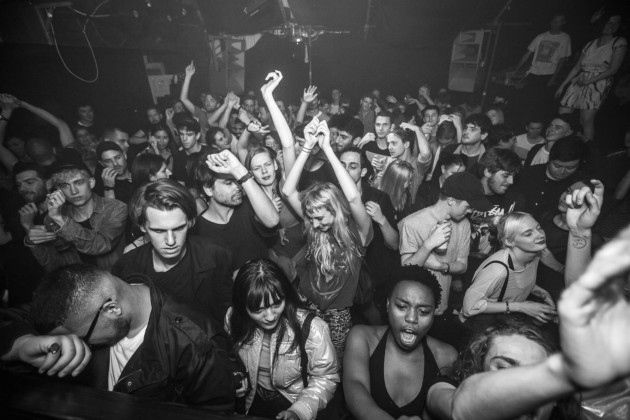
Fast rhythms, pirate radio frequencies, champagne nightlife, dark basements, rewinds, and underground London energy — UK Garage became one of the most influential electronic movements Britain has ever produced.
UK Garage emerged during the early 1990s from imported American garage house and deep house records.
British DJs accelerated the tempo, added swung drum patterns, chopped vocal samples,
bass-heavy grooves, and darker textures that transformed the genre into something uniquely British.
Pirate radio stations across London became the backbone of the scene. Frequencies transmitted from tower blocks
and hidden rooftops introduced underground sounds directly into youth culture.
The movement rapidly evolved beyond clubs and became a social identity tied to nightlife,
fashion, sound systems, urban culture, and underground communities.
UKG later fractured into multiple genres including grime, dubstep, bassline,
and modern UK electronic music — permanently changing the sonic landscape of Britain.
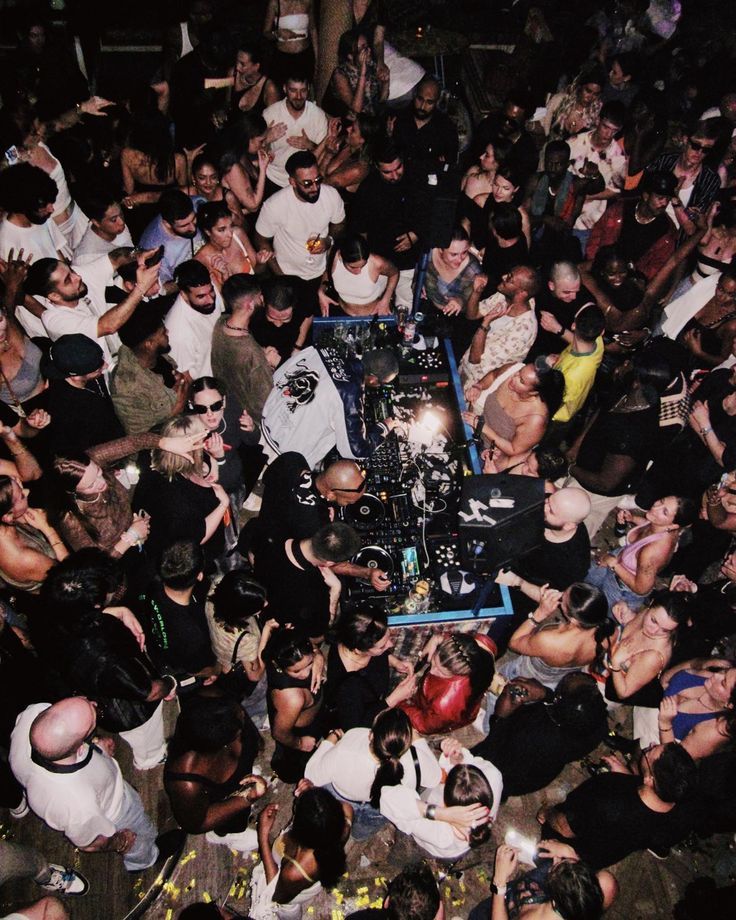
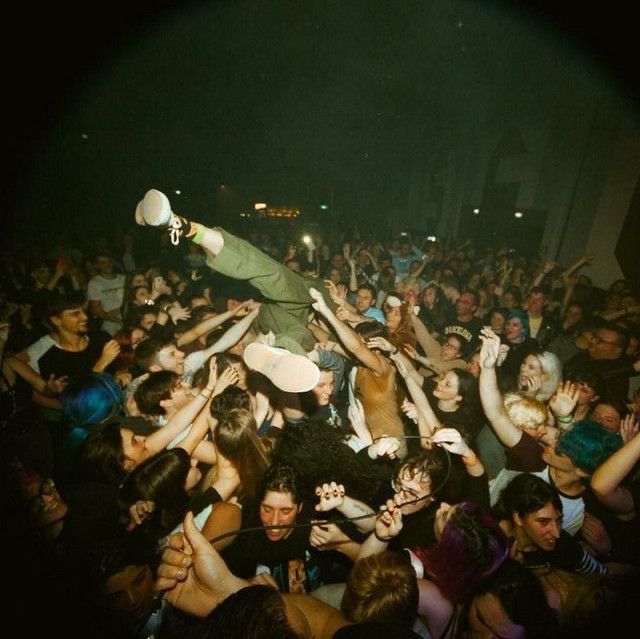
“UK Garage didn’t just change club music. It rewired British underground culture.”
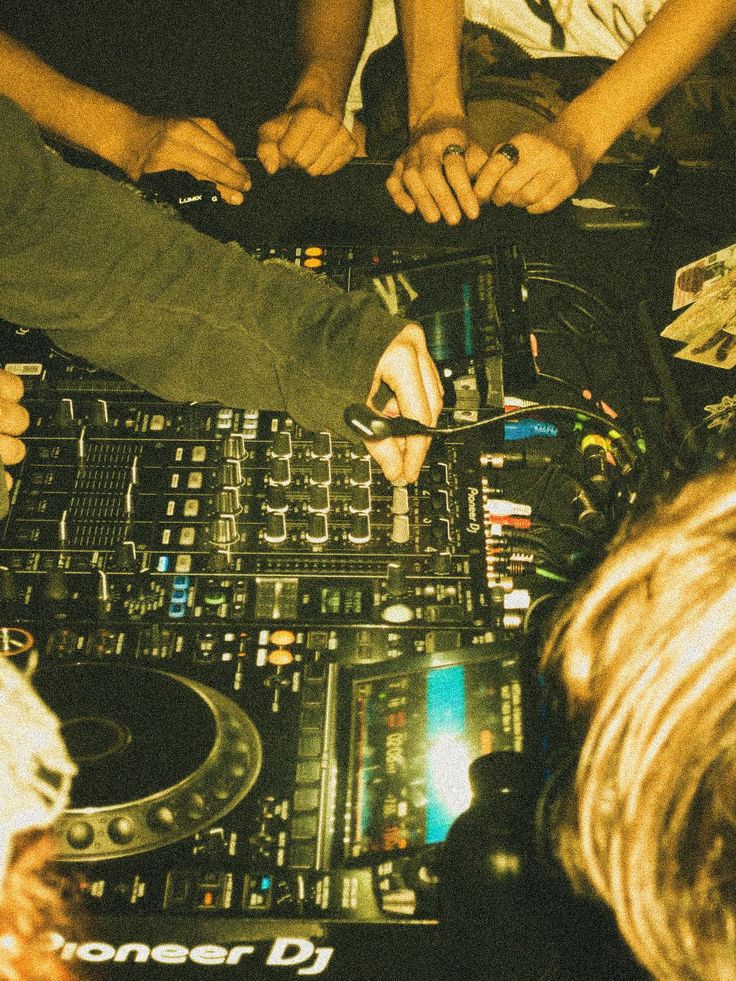
The influence of UK Garage stretched far beyond music.
It shaped fashion, nightlife aesthetics, pirate radio culture,
underground media, slang, and the entire atmosphere of late 90s Britain.
The scene mixed aspiration and grit — designer shirts, luxury clubs,
underground warehouse parties, modified cars, streetwear,
and smoky pirate-radio studios hidden inside city estates.
Artists like MJ Cole, So Solid Crew, Wookie, and Artful Dodger pushed underground Black British culture into mainstream visibility while preserving its raw energy and experimental sound.
Even decades later, UK Garage continues to echo through modern drill production,
bass music, club scenes, and internet music communities around the world.