

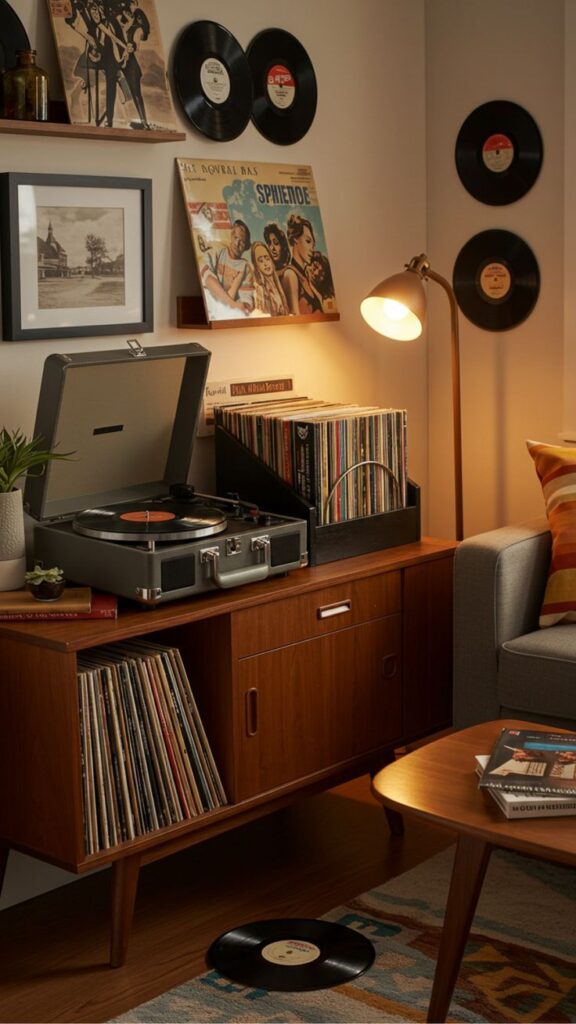
From your first turntable to a room-filling hi-fi system — the complete beginner's guide to buying, grading, and playing records the right way.
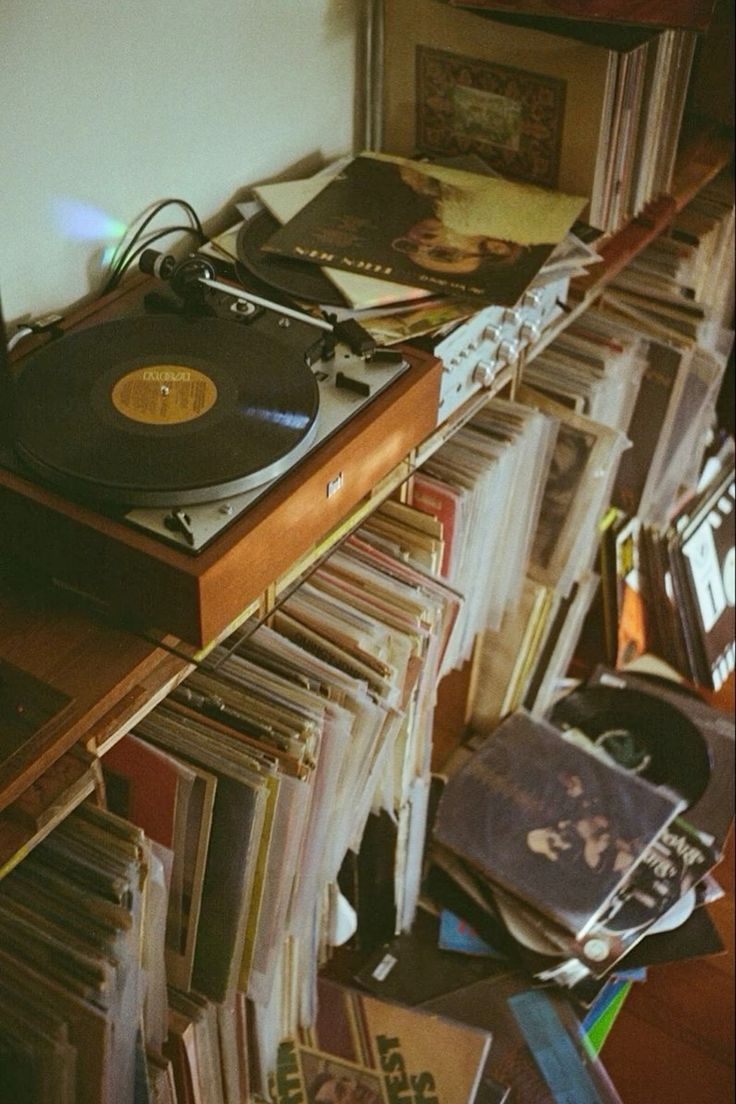
The warm crackle of a needle dropping into a groove — vinyl delivers a listening experience no streaming service can replicate.
There is a moment every vinyl convert remembers. The record slides from its sleeve. The needle finds the groove. And then — before a single note plays — a sound fills the room: that soft, intimate hiss of analogue warmth that digital audio has never convincingly faked. If you have never experienced it, you are about to understand why millions of people have left their playlists behind.
Vinyl is not nostalgia. It is not a hipster affectation. It is, by a growing body of audiophile consensus, the most emotionally engaging way to listen to recorded music. Global sales have surpassed CD sales for three consecutive years. Record stores are opening, not closing. And for every seasoned collector who has spent decades hunting crates, there is a newcomer holding their first record wondering: where do I even start?
This guide is for you. We will walk you through the full journey — from understanding the culture of collecting, to choosing your first turntable, building a system that does justice to your records, and grading the vinyl you buy. By the end, you will have everything you need to begin.
Every great collection begins with a single record. The trick is knowing why you are collecting — because that shapes everything else: what you buy, how much you spend, and how deep the obsession goes.
The biggest mistake beginners make is buying records they think they should own. A pristine first pressing of a Blue Note jazz classic means nothing if you never actually play it. Start with the music you know intimately. The albums you have heard hundreds of times on streaming. Because on vinyl, you will hear them differently — and those familiar moments of discovery are what seal the addiction.
New pressings are widely available on platforms like Discogs, at independent record shops, and even at supermarkets. Original pressings — those made in the decade an album was released — are a different proposition, with higher prices and the need for a grading education we will cover later.
Your options range from global online marketplaces to the best kind of Saturday afternoon: a record shop browse. Discogs is the dominant online marketplace, with tens of millions of listings and a robust grading system. Local independent stores offer the tactile joy of discovery and the expertise of staff who genuinely care. Car boot sales, charity shops, and estate sales remain the last frontier for improbable finds at improbable prices.
Record Store Day, held each April, has become the vinyl world's unofficial annual celebration — with limited edition releases from artists across every genre. It is the kind of event that turns casual listeners into committed collectors.
The collectors with the most compelling libraries are not those with the most records — they are those with the most coherent vision. Some focus on a single label. Others collect by era, genre, or pressing country. Some pursue original pressings as a kind of historical scholarship. Whatever your angle, intention makes a collection more than an accumulation.
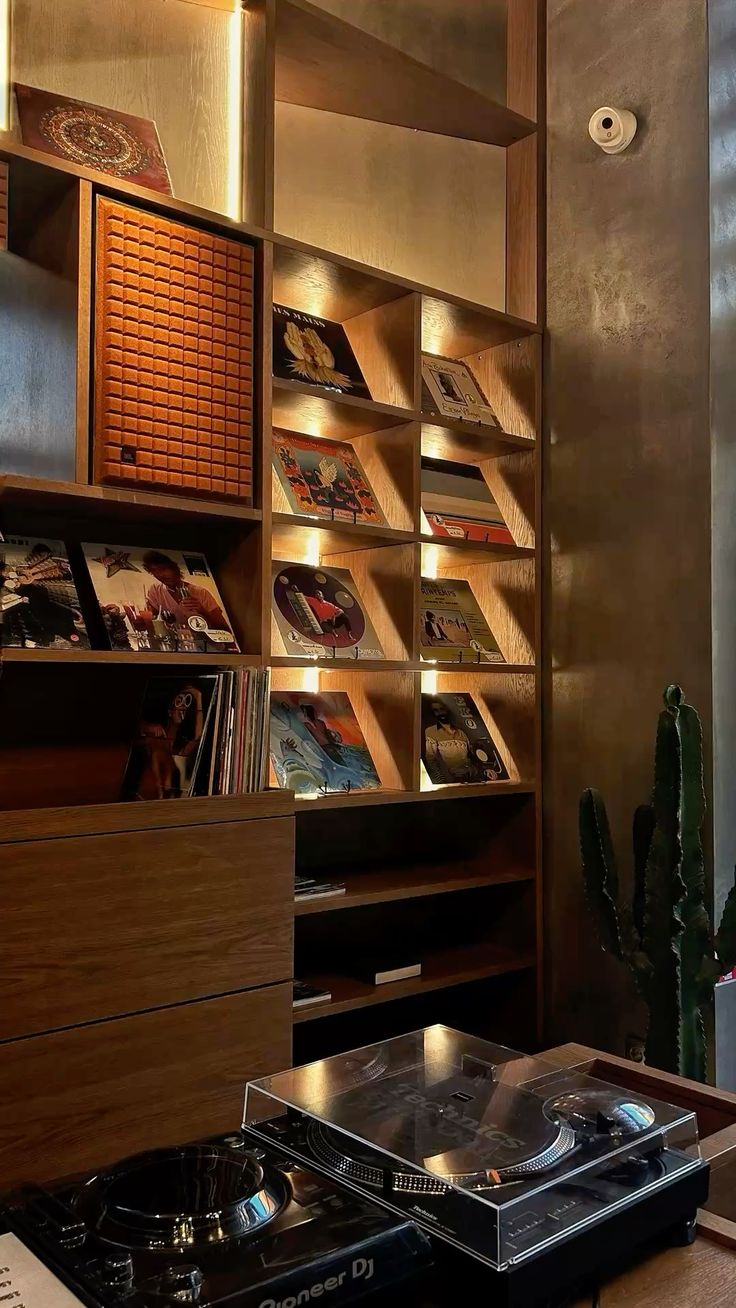
A quality turntable is the heart of any vinyl setup — get this right and everything else follows.
The turntable is the most critical component of your vinyl setup. A poor turntable does not just sound bad — it damages your records. Yet the market has never been more accessible for beginners, with excellent options available at every price point.
Entry Level (Under £200 / $200): Brands like Audio-Technica (the AT-LP120XBT-USB is widely recommended), Pro-Ject's Debut Carbon Evo entry models, and Rega's Planar 1 represent the gold standard for first-time buyers. Avoid all-in-one suitcase turntables from unbranded manufacturers — they look charming and sound terrible, and their ceramic cartridges actively chew through your vinyl.
Mid Range (£200–£600 / $200–$600): This is where the real quality step-change lives. The Pro-Ject Debut Carbon EVO, Rega Planar 2, and Audio-Technica LP5 offer significantly improved motor stability, tonearm engineering, and cartridge quality. If budget allows, start here.
High End (£600+ / $600+): Rega Planar 3, Pro-Ject X1, and Technics SL-1200MK7 — turntables that will outlast you and reveal details in your records you genuinely did not know were there.
Belt drive turntables isolate the platter from the motor using a rubber belt, reducing motor vibration and generally offering warmer sound. They are the choice of audiophiles and most hi-fi enthusiasts. Direct drive connects the motor directly to the platter for better speed stability and instant torque — the traditional choice of DJs, and the design behind the legendary Technics 1200 series.
Your cartridge — the small component at the end of the tonearm — is what physically reads the groove. Many entry-level turntables come with decent cartridges, but upgrading this component is often the single highest-impact improvement you can make to your sound. The Audio-Technica VM95E, Ortofon 2M Red, and Nagaoka MP-110 are the holy trinity of upgrade cartridges under £150.
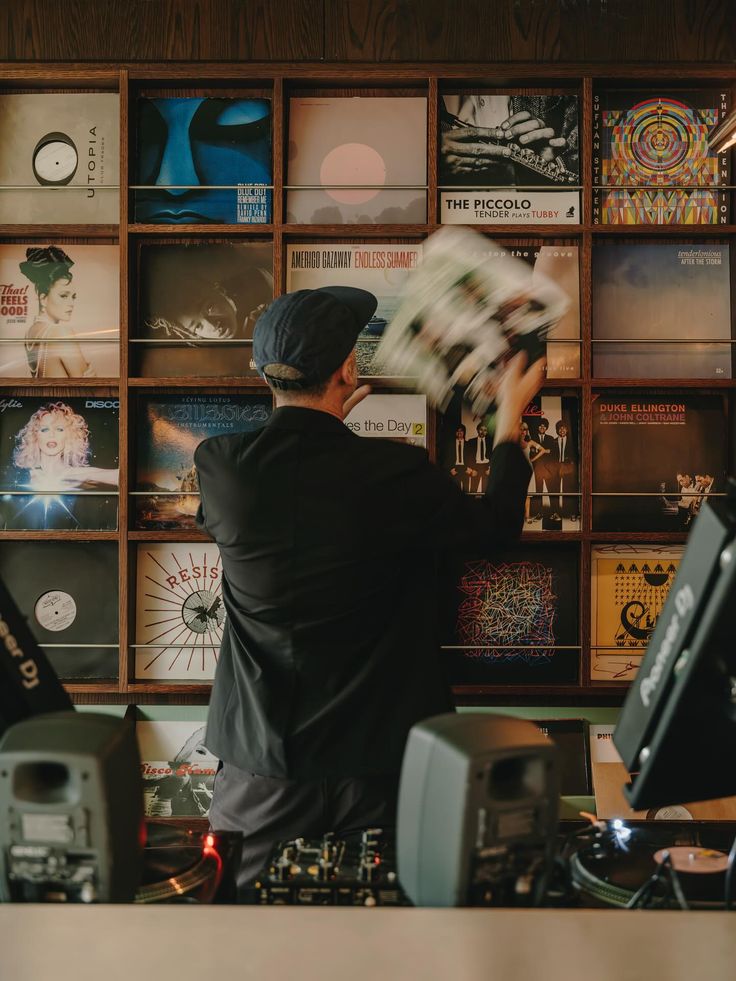

A turntable alone makes no sound you can hear. It is the start of a chain — and every link in that chain shapes your listening experience. Here is how that chain works, and what to invest in at each stage.
Your record spins on the turntable. The cartridge generates a tiny electrical signal — the RIAA-equalised phono signal — which needs amplification. A phono preamp (or phono stage) boosts this signal and corrects its EQ curve. That signal then passes to your amplifier, which drives your speakers. Each step matters.
Many turntables include a built-in phono stage, which simplifies setup considerably. If yours does not, you will need a standalone unit. The Rega Fono Mini A2D, Pro-Ject Phono Box MM, and Cambridge Audio Alva Solo are all excellent choices under £100. As you upgrade your turntable and cartridge, a better phono stage becomes increasingly worthwhile.
For most beginners, an integrated amplifier — combining preamplifier and power amplifier in one unit — is the logical choice. The NAD C316BEE V2 and Cambridge Audio AXA35 are classics at the entry level. The Rega Brio and Roksan Attessa are exceptional mid-range options. Look for a model with a dedicated phono input if you want to keep your setup clean.
Alternatively, powered speakers with a built-in phono input — like the Edifier S880DB or the Klipsch The Fives — offer an all-in-one solution that sounds remarkable and removes much of the complexity from setup.
Speakers are the most subjective component in any system, and also the one that most benefits from auditioning in person. That said: for bookshelf speakers at the entry level, Q Acoustics 3020i and Wharfedale Diamond 12.2 are near-universally praised. For floor-standers, Dali Oberon 5 and Monitor Audio Bronze 200 punch well above their price class.
Whatever you choose: placement matters enormously. Speakers on a bookshelf flush against a rear wall will sound far worse than the same speakers positioned 30–40cm into the room, angled slightly toward the listening position.
When buying second-hand records — whether online or in a shop — you will encounter a grading system that describes the condition of both the vinyl and its sleeve. Understanding these grades is essential: a badly graded purchase can be expensive, disappointing, or — with a scratched record — genuinely damaging to your stylus.
The most widely used system is the Goldmine Grading Standard, which rates records on a scale from Mint to Poor. Here is your complete reference:
| Grade | Abbreviation | Condition | What to Expect |
|---|---|---|---|
| Mint | M | Perfect, unplayed | Sealed and pristine. No marks, no marks, no handling. Extremely rare to find genuinely. |
| Near Mint | NM or M– | Nearly perfect | May have been played once or twice. No visible marks. Should play silently throughout. The gold standard for collectors. |
| Very Good Plus | VG+ | Excellent used condition | Light signs of play. Very minor surface marks not affecting audio. Some light groove noise. The practical sweet spot for most purchases. |
| Very Good | VG | Noticeably played | Visible light scratches. Occasional clicks or light surface noise. Acceptable for casual listening if the pressing is rare or significant. |
| Good / Good Plus | G / G+ | Heavy play wear | Significant groove noise throughout. Not recommended unless the record is extremely rare or being purchased for display only. |
| Fair / Poor | F / P | Damaged | Severe scratches, warps, or marks. May be unplayable or will damage your stylus. Avoid entirely as a practical matter. |
Even among experienced collectors, grading is not a precise science. A "VG+" from a seasoned Discogs seller with thousands of positive reviews is a meaningfully different proposition from a "VG+" from a first-time lister. When buying online, always read seller feedback carefully, examine any provided photographs under magnifying scrutiny, and do not hesitate to ask for additional images of the playing surface under raking light.
Even well-graded second-hand records benefit from a clean before playing. A basic record cleaning brush removes surface dust. A dedicated record cleaning fluid and microfibre application pad removes the fingerprints and contaminants that cause most clicks and pops. For serious collectors, an ultrasonic cleaning machine is the gold standard — but at several hundred pounds, it is firmly an investment of the obsessive.
Vinyl collecting is one of those rare hobbies that rewards you at every level of engagement. You do not need an expensive system to be moved by a great record. You do not need a vast collection to find the one album that changes how you hear music. What you need is a starting point — and you now have one.
Buy a record you love. Find a decent turntable. Put the needle down. Everything else follows from that moment of commitment to listening — properly, intentionally, without a shuffle button in sight.
The records are waiting. Your system is ready to be built. Your collection is ready to begin.
New arrivals, curated selections, and everything you need to get your setup started.
Shop Vinyl & Hi-Fi →