
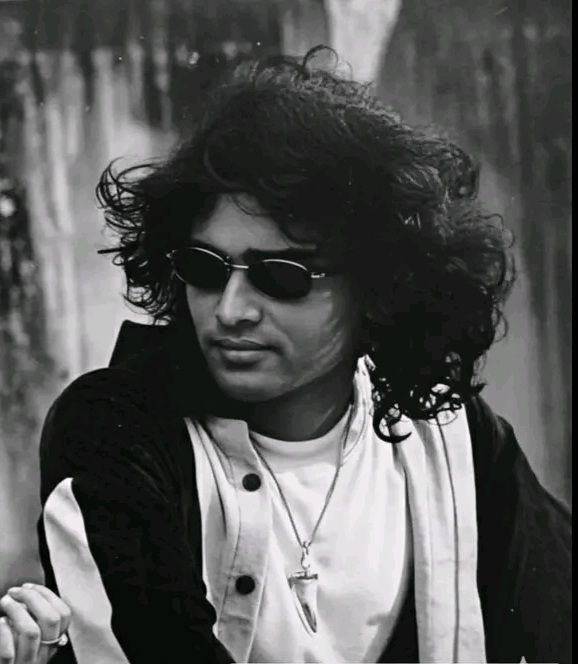


"He was a virtuous soul. There was a divine presence in him. He did so much for so many people — but never told anyone."— Raja Boruah, Musician & Collaborator
There are artists, and then there are forces of nature. Zubeen Garg was the second kind — a man who could make an entire river valley feel personally serenaded, who bent language after language to the shape of his soul, and who never once seemed to be performing so much as simply being. Born Zubeen Borthakur on November 18, 1972, in Tura, Meghalaya, he would grow into the most beloved musician Northeast India has ever produced — and arguably one of the most significant voices in the history of Indian popular music.
When he passed away on September 19, 2025, in Singapore at 52 — in the kind of cruel, sudden accident that leaves people looking at the sky for explanations — shops across Assam shuttered. Guwahati fell silent. A generation that had grown up with his voice pouring from transistor radios, cassette decks, and smartphones found itself bereft of something it hadn't realised it could lose.
Chapter One
A Boy Named After a Maestro
"His name was inspired by Zubin Mehta — a conductor whose music crossed every border. His life would do the same."
His father, Mohini Mohon Borthakur — a magistrate who doubled as a poet and lyricist under the pen name Kapil Thakur — named his son after the legendary Indian conductor Zubin Mehta. It was an audacious aspiration to plant inside a child's name. Zubeen would spend the rest of his life growing into it.
He grew up in Jorhat, a city in upper Assam where the Brahmaputra moves with a kind of deliberate authority. His mother, Ily Borthakur, was a singer who never turned her gifts professional but pressed them into her children instead. Zubeen started singing at the age of three. By thirteen, he had composed his first song — "Gaane Ki Aane" — the bones of what would become the debut album Anamika. He was given the surname "Garg" by his guru, Kalinath Sharma, representing his Brahmin gotra — a mark of artistic identity he would carry into everything he created.
He briefly pursued a Bachelor of Science degree, dropped out, and never looked back. In 1992, Anamika was released. It was an instant sensation. The Assamese musical landscape shifted on its axis and never returned to where it had been.
Chapter Two
The Making of a Legend
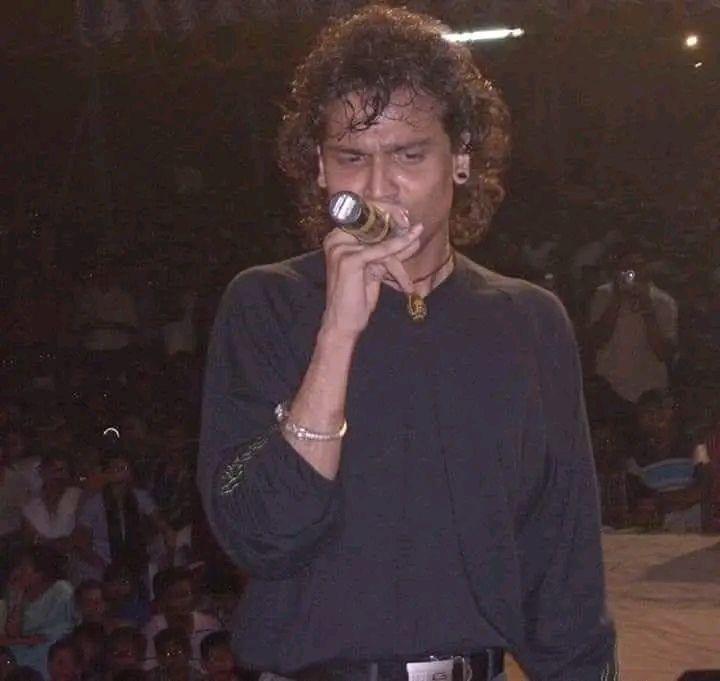
By the mid-1990s, Zubeen had set his sights on Mumbai. He landed his first Hindi pop album Chandni Raat in 1996, followed by Jalwa, Jadoo, and Sparsh. He lent his voice to Bollywood films including Gaddaar (1995) and the immortal Dil Se (1998). He was becoming known — but the song that made the nation stop and listen was still a decade away.
In 2006, he sang "Ya Ali" for the film Gangster: A Love Story. The rest is not history so much as mythology. The song became a nationwide obsession, travelled across the Middle East, and earned Zubeen the GIFA Award for Best Playback Singer. It showed the country what the Northeast had always known: this man's voice carried something different — a melancholy gravity, a warmth beneath the depth, that no amount of technique alone could manufacture.
But to reduce Zubeen to Bollywood would be to misread him entirely. He was, first and always, Assam's. His Assamese albums — dozens of them — were the real beating heart of his output. He composed music for over 24 Assamese films. He wrote, directed, and acted in films like Tumi Mor Matho Mor (2000). His film Mission China became the first Assamese movie to cross ₹6 crore in gross collections; Kanchanjhangha broke ₹7 crore. He didn't just sing Assam's songs. He built Assam's cinema.
1992
Debut album Anamika released — immediately redefines modern Assamese music. Gold medal at the national youth festival for western solo performance.
1995–96
Moves to Mumbai. First Hindi playback with Gaddaar. Releases debut Hindi pop album Chandni Raat.
1998–2002
Sings for Dil Se, Fiza, and Kaante. Directs, writes, and acts in his own Assamese film. Marries fashion designer Garima Saikia Garg.
2006
"Ya Ali" from Gangster: A Love Story becomes a pan-India sensation. GIFA Award for Best Playback Singer. The Northeast's voice is now heard everywhere.
2010–2020
Record-breaking Assamese films. Launches Kalaguru Artiste Foundation to support underprivileged musicians. Campaigns for Assam's environment, wildlife, and flood relief.
2025
Passes away in Singapore on September 19. Assam shuts down in mourning. Final rites conducted with full state honours on September 23.
Chapter Three
More Than a Voice — A Way of Being
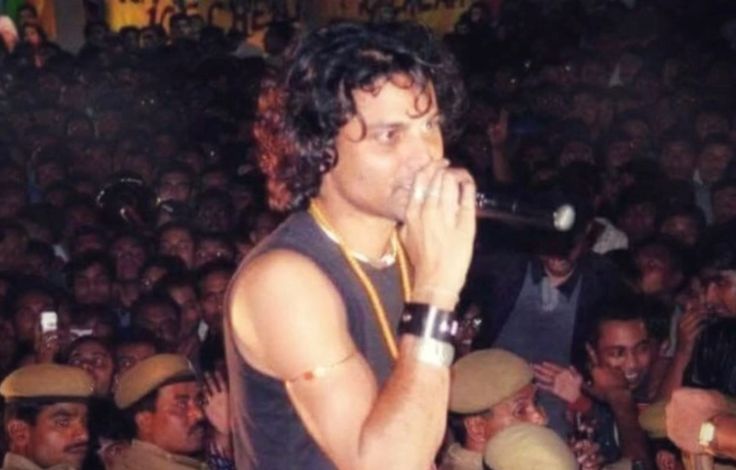
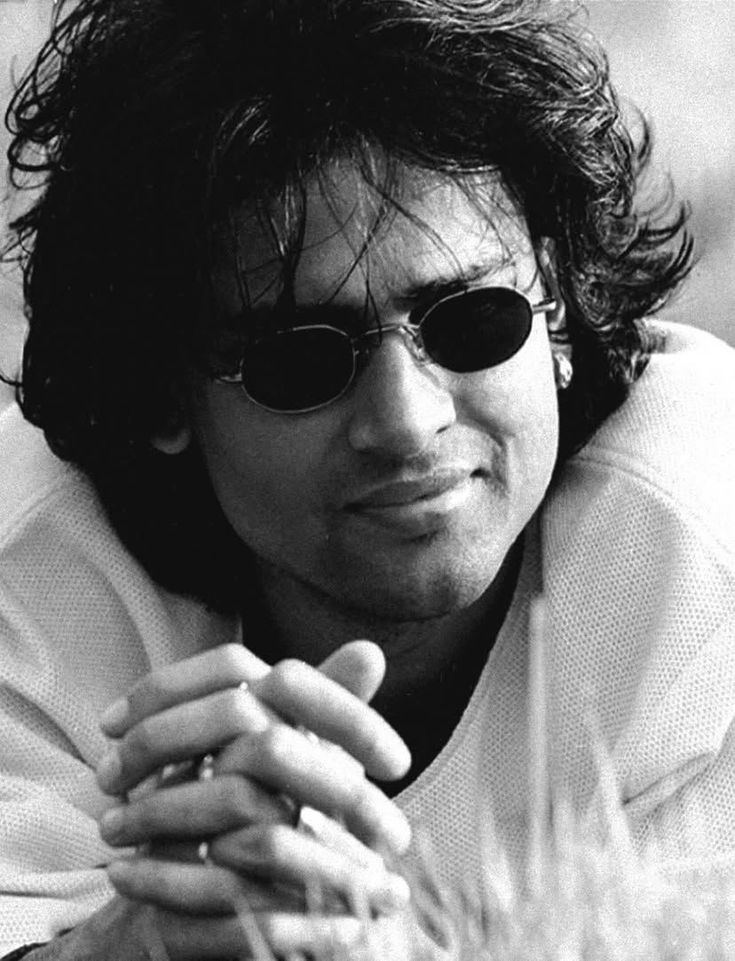
What made Zubeen Garg beloved was not merely his artistry — though his artistry was extraordinary. He played twelve instruments. He sang in Assamese, Bengali, Hindi, Tamil, Telugu, Kannada, Nepali, Marathi, Bishnupriya Manipuri, Bodo, Khasi, Sanskrit, Mising, Karbi, Tiwa, and more. He recorded over 38,000 songs across a career that spanned thirty-three relentless years. These are numbers that look like errors until you remember that his life was music and music was his life.
But the numbers miss the point. What those who knew him remember most was his warmth, his accessibility, his refusal to become untouchable. He walked among people. He shared meals. He stopped for strangers. He turned down offers from famous Bollywood directors simply because the lyrics didn't speak to him — quality over commerce, always. When a school in his community was damaged in a storm, he quietly donated ₹1 lakh for its renovation. Nobody announced it. He didn't.
Through his Kalaguru Artiste Foundation, he supported underprivileged musicians and students who would otherwise have had no path into the art form that saved his own life. He dreamed of opening a music institute in Assam — a dream his colleagues are now working to realise in his name.
✦ ✦ ✦
Chapter Four
Why Assam — and India — Wept
"From the bustling streets of Guwahati to the quiet corners of remote villages — people gathered to honour his life."
— EastMojo, October 2025The grief that swept across Assam in the days after September 19, 2025, was not the grief of fans losing an entertainer. It was something closer to what a people feel when they lose a poet who knew their language better than they did themselves — who had put words and melody to things they had felt but never articulated.
Zubeen Garg understood Assam's contradictions: its extraordinary natural beauty and its recurring floods; its rich folk traditions and the creeping erasure of language; its pride and its marginalisation within the national story. He sang all of it. He advocated loudly for environmental conservation, wildlife protection, and the rights of those the state had forgotten. His art was activism delivered through a voice that made the medicine go down easy.
When his mortal remains arrived at Lokpriya Gopinath Bordoloi International Airport in Guwahati, Chief Minister Himanta Biswa Sarma was there to receive him. The state government accorded him full state honours. Markets closed. A generation of Assamese — some who had grown up with him and some who had grown up as him, in the sense that his music had shaped who they became — lined the streets to say goodbye.
Even globally, the resonance was felt. When American superstar Post Malone performed in Guwahati months after Zubeen's passing, he paused mid-concert to pay tribute — a gesture that landed with full force on an audience that was still raw, still learning how to carry the loss.
Chapter Five
What He Left Behind
The numbers will endure: 38,000 songs. 40 languages. 12 instruments. But Zubeen Garg's true legacy is harder to quantify. It lives in the young Assamese musician who heard Anamika at seven and decided, that day, that music was worth the risk. It lives in the Bihu songs he reinterpreted so beautifully that they became the language through which a new generation found connection to their roots. It lives in every corner of Assam where "Ya Ali" still drifts from a window at dusk — because old habits of the heart die slow.
His colleagues are now working to establish the music institute he dreamed of. Investigations into the circumstances of his death continue. His widow, Garima Saikia Garg, and his family carry the weight of both a private grief and a public legacy that belongs, in some sense, to millions.
There's a word in Assamese — Xorot — for a kind of golden, melancholic autumn light. Zubeen Garg was, in many ways, that light: warm, irreplaceable, the kind of thing you only fully understand once the season has changed.
He sang in forty languages. He was understood in all of them.