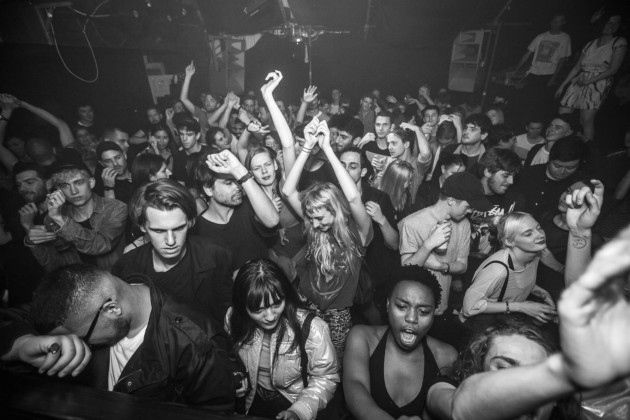
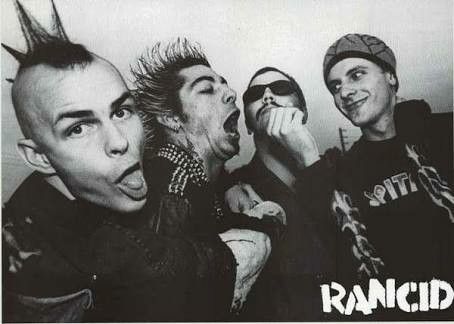
By 1994, every major label in Los Angeles had a scout at Gilman Street trying to sign whatever was left of the Bay Area's DIY punk scene, and Rancid was the band everyone wanted most. The story that's stuck around since — reportedly a $1.5 million offer from a major label that the band walked away from to stay on the independent Epitaph Records — has become punk's favorite parable about what it costs to keep your integrity. Whether the number was exactly that or just close to it, the point holds: Rancid picked the smaller label and the bigger say over their own record.
The band started in 1991 out of the wreckage of Operation Ivy, the ska-punk group that broke up at the height of its local popularity. Bassist Matt Freeman and guitarist Tim Armstrong came out of that band's ashes and started writing together again, eventually pulling in drummer Brett Reed. Their self-titled 1993 debut was raw, fast, and unmistakably built out of the same Gilman Street DIY ethic that raised them.
Enter Lars, Enter The Mohawk
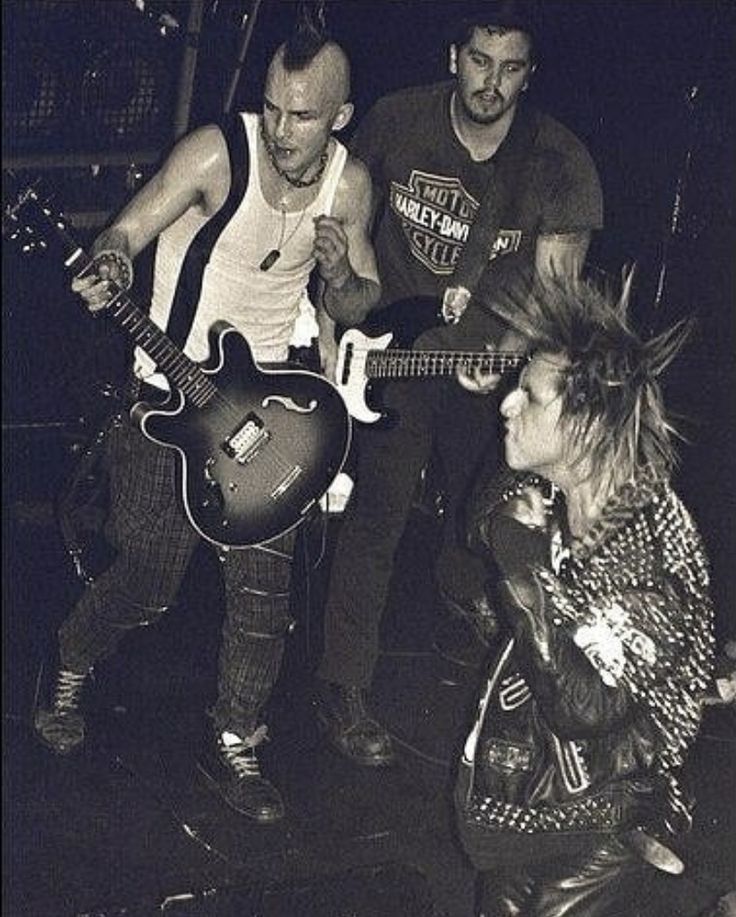
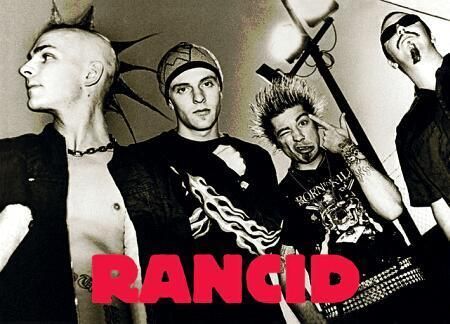
Guitarist and vocalist Lars Frederiksen joined in 1993, right before the band's sound locked into the two-guitar, gang-vocal attack that would define them. He brought a UK street-punk edge — Cockney Rejects, Sham 69, that whole tradition — that fused with Armstrong and Freeman's Bay Area ska-punk instincts into something that didn't quite belong to either scene. It's the reason Rancid could open for Bad Religion one tour and a ska revival package the next without either crowd blinking.
The Album That Broke The Ceiling
1995's ...And Out Come The Wolves is the record that turned Rancid from a Bay Area name into a genuine commercial force, going platinum off the strength of "Time Bomb," "Roots Radicals," and "Ruby Soho" — three songs that got MTV airtime without sanding down a single rough edge. It landed at the exact moment ska-punk and pop-punk were both breaking into the mainstream, and Rancid rode that wave without ever fully joining the bands profiting hardest from it. They stayed weirder, scrappier, and more rooted in the scene that made them.
The Widget: Crank The Distortion
Never Broke Up, Never Sold Out
Rancid has never officially broken up, never taken an extended hiatus, and never really chased a trend outside their own lane. They toured behind 2003's Indestructible, kept releasing records through the 2010s, and dropped Trouble Maker in 2017 — proof they could still write a hook-driven street-punk record more than two decades after their breakout.
Still Out Here
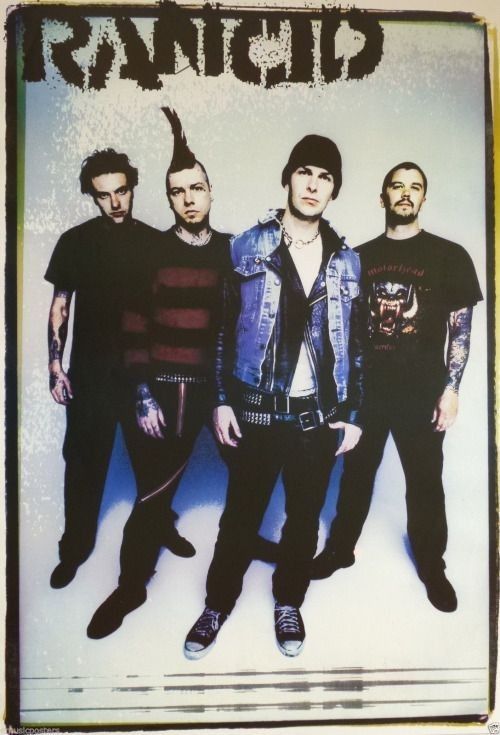
In 2023, Rancid released Tomorrow Never Comes, their eleventh studio album and proof the original engine — Armstrong's rasp, Freeman's galloping basslines, Frederiksen's UK-punk snarl — still runs the same way it did on Gilman Street stages thirty years ago. They've since shared stages with Green Day on stadium tours, playing the same songs to audiences several times the size of the rooms they started in, without changing much of anything about how they sound.
The Widget: Spray-Can Chant Generator
Rancid's whole career reads like an argument against the idea that punk and longevity can't coexist. They said no to the money, kept the same four guys mostly intact for thirty years, and never stopped sounding like a band that would rather play a basement than a boardroom. That's the whole pitch, and somehow it still works.