The Session That Started It
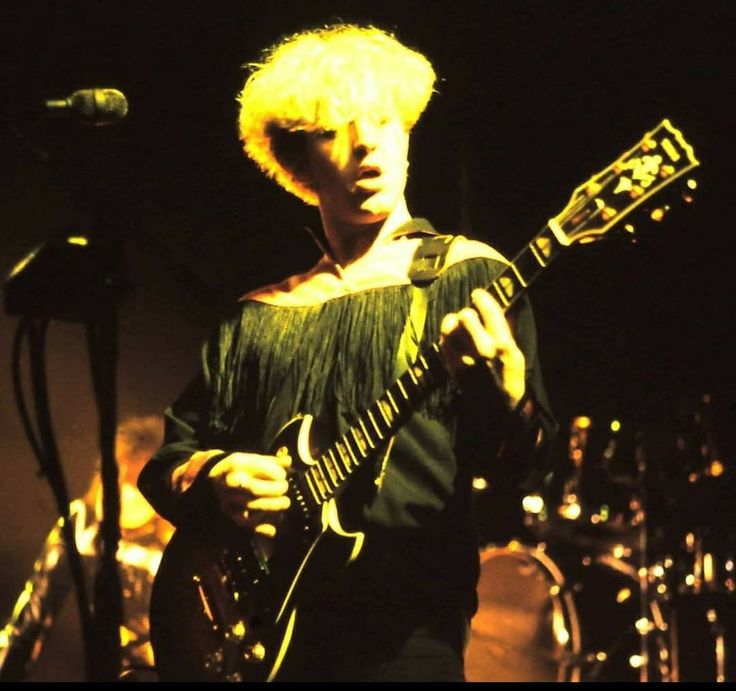
McGeoch was a Manchester Polytechnic art student in April 1977 when a flatmate, designer Malcolm Garrett, introduced him to Howard Devoto — freshly out of Buzzcocks and looking to build something stranger. Within months they'd formed Magazine with Barry Adamson, Bob Dickinson, and Martin Jackson. McGeoch would graduate from art school the following year and never work a day job again.
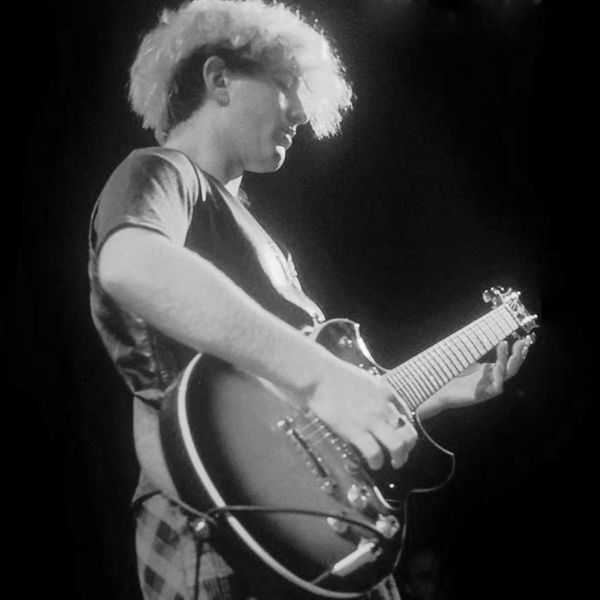
Magazine's first three records — Real Life (1978), Secondhand Daylight (1979), and The Correct Use of Soap (1980) — carry his fingerprints throughout: chiming, almost orchestral chorus tones run through a Roland Jazz Chorus amp, played with a picking precision that had nothing to do with punk's usual three-chord thrash.
Leaving For The Banshees
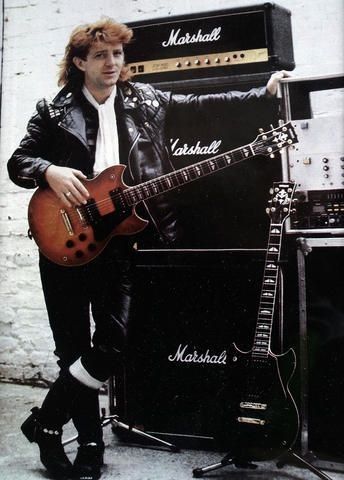
McGeoch left Magazine in September 1980, reportedly frustrated that the band's critical acclaim had never converted into commercial success, and joined Siouxsie and the Banshees almost immediately. What followed was the most productive stretch of his career: Kaleidoscope (1980), Juju (1981), and A Kiss in the Dreamhouse (1982), a run that produced "Happy House," "Christine," "Israel," "Arabian Knights," and the song that made his reputation permanent.
Spellbound
"Spellbound" is the reason McGeoch shows up on guitarist lists he otherwise gets left off. The song's arpeggiated, almost mechanical guitar figure earned him a spot on Mojo's 1996 list of the 100 greatest guitarists of all time, and it's the single piece of playing most cited by the generation of guitarists who grew up on it.
The Musicians Who Took Notes
The list of guitarists who name McGeoch as a direct influence reads like a cross-section of the last four decades of alternative rock: Johnny Marr, who called those early Banshees singles "imperial"; Jonny Greenwood and Ed O'Brien of Radiohead, who reportedly had producer Nigel Godrich push Greenwood toward McGeoch's phrasing on "There There"; the Edge; John Frusciante; and Robert Smith. None of them were copying his notes. They were copying his restraint — the sense that a guitar part could do more by leaving space than by filling it.
Collapse, And What Came After
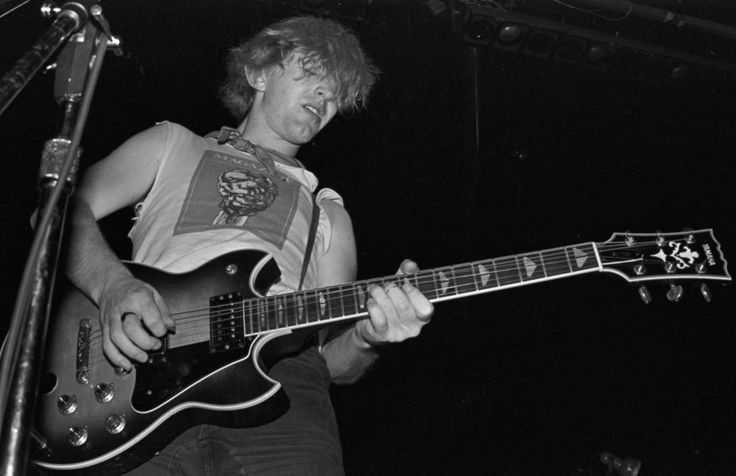
Touring and drinking caught up with McGeoch in 1982; he collapsed onstage in Madrid during a Banshees performance, which ended his run with the band. He resurfaced in The Armoury Show through the mid-80s, then joined Public Image Ltd in 1986 — a band he'd long admired and had reportedly turned down once before. He stayed with PiL until they disbanded in 1992, making him the longest-serving member of the band besides John Lydon himself, despite being hit in the face with a bottle at one of his first shows with them.
A Quiet Second Act
After PiL, McGeoch mostly stepped back from music. He trained as a nurse in the mid-1990s, married, and started a family — a deliberate move away from the instability of touring life. He died in his sleep on March 4, 2004, at 48. He'd reportedly been writing music again in his final years, quietly, the way he seemed to prefer doing most things.
He never became a household name, and by most accounts he was fine with that. The songs did the talking. Three decades on, they still are.