

Some artists spend a career trying to convince you they're serious. Oliver Tree spent his convincing you he wasn't — and then, every so often, he'd slide a song out from under the bit that hit harder than anything his more self-important peers were making. That was always the trick. The bowl cut, the wraparound shades, the windbreaker three sizes too big, the fake wrestling promos and mockumentary interviews: all of it was armor around a guy who wrote plainly, painfully honest songs about loneliness, fame, and not knowing who you are underneath the costume.
He died on June 14, 2026, in a helicopter collision over the Recreio dos Bandeirantes neighborhood of Rio de Janeiro, one of six people killed when two aircraft came down during his stop in Brazil. He was in the middle of what he'd billed, only half-jokingly, as The World's First World Tour — seventy-plus dates across more than thirty countries in support of his fourth album, "Love You Madly Hate You Badly." He'd just played São Paulo days earlier. He was thirty-two.
The Character Was Never The Whole Story
If you only know Oliver Tree from the internet — the guy on the tricycle, the guy getting tackled by his own security, the guy who once convinced a chunk of the timeline he'd actually died onstage years before this — it's easy to miss what he actually built. Four studio albums, each one built around a different fictional alter ego: Turbo for "Ugly Is Beautiful," Shawney Bravo for "Cowboy Tears," Cornelius Cummings for "Alone in a Crowd." It wasn't until this year's "Love You Madly Hate You Badly" that he dropped the personas entirely and let people hear him without a character standing in front of the microphone.
That's what makes the timing so brutal. He'd spent a decade hiding behind bits precisely so people would engage with the music instead of the man, and the year he finally stepped out from behind the costume was the year he didn't get to see how people responded to just him.
Six People Died That Night
It's worth saying plainly: this wasn't only a story about a musician. Five other people were on board the two helicopters that came down — passengers Lucas Vignale, Gaspar Prim, and Lucas Brito Chaves, and pilots Alexandre Souza and Charles Marsillac. Rio's Civil Police confirmed the crash; producer Victor Wao, who was traveling with Tree's team, has said publicly that he skipped the helicopter over a fear of flying and took a car instead, which is the kind of detail that doesn't stop being unsettling no matter how many times you read it.
The Industry Said Goodbye In Its Own Language
Tributes came in fast from across genres that don't usually agree on much — Melanie Martinez, T-Pain, Kid Cudi, Bebe Rexha, Diplo, Post Malone, Oliver Heldens, Robin Schulz, Whitney Cummings. That's the guest list of someone who was harder to pin down than his internet persona let on: a guy who could show up on a dance record with Robin Schulz, a hyperpop-adjacent single with Whethan, and a straight-up emo-pop hit, all without anyone blinking.
Streaming Numbers, After
Within days of his death, Oliver Tree's catalog re-entered the charts — a posthumous top-20 return that no artist wants to earn this way. It's the internet's oldest, ugliest ritual: the algorithm catching up to what the room already knew.
A Bowl Cut Mullet As A Statement
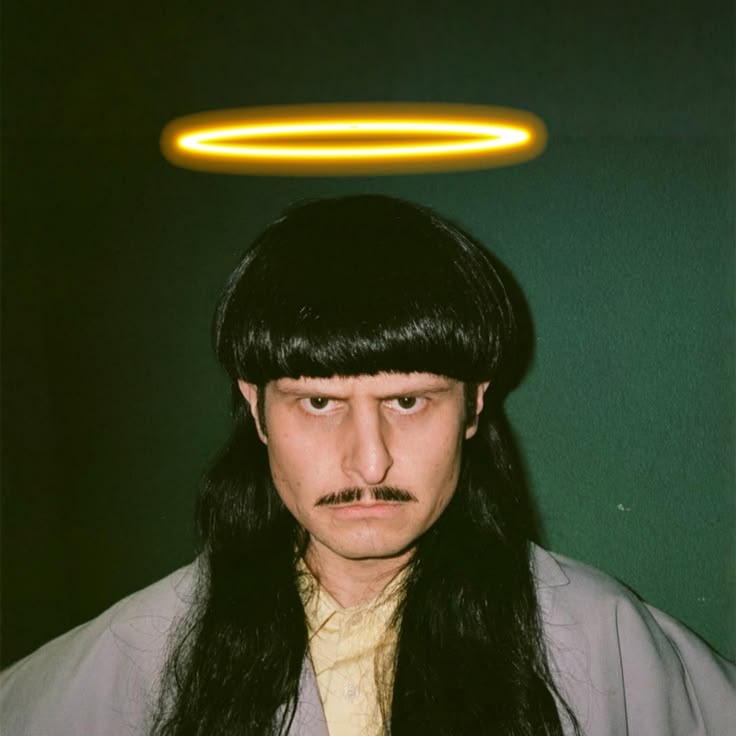
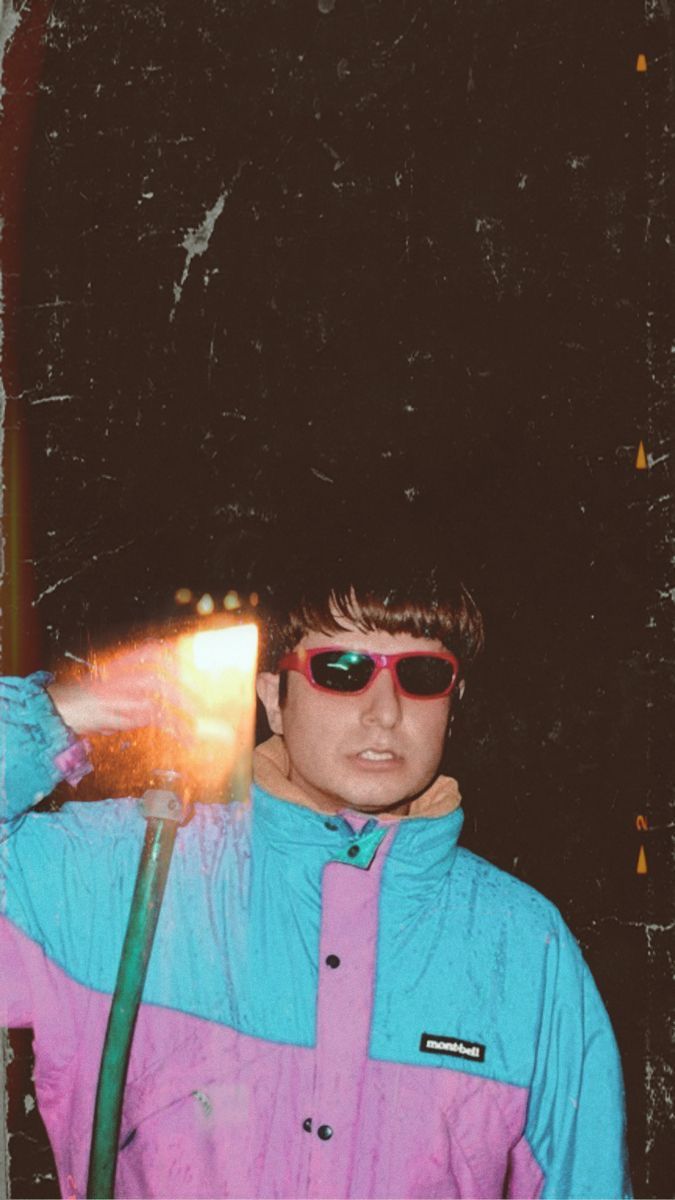
Part of the reason Oliver Tree's death has hit the comment sections so hard is that he made himself impossible to be neutral about, on purpose. He wore bowl cuts, bobs, and mullets, sometimes stacking all three, and treated his own physical presentation like a punchline he was in on. He built an entire visual universe — sober, hard-edged, Soviet-block aesthetics in one video, garish streetwear in the next — where every choice doubled as commentary on how ridiculous internet fame actually is. It worked because he never let you forget there was a person under the wig, one who'd gone from zero followers to ten million in two months and never fully made peace with what that did to him.
"No matter how strange you think you look, no matter how ugly you feel, you are beautiful."
That line — reportedly said at nearly every show he played — is the closest thing Oliver Tree left behind to a mission statement. It's a strange, sweet thing for a guy built out of bits and pratfalls to be remembered for, and it's exactly right.
What Happens Now
A memorial service is set for July 25 at the UCSC Quarry Amphitheater in Santa Cruz, the town he was from before he became whoever the internet decided he was. Representatives have said it'll be livestreamed given limited space for family and friends. His team has said his estate will fund a foundation endowment he'd apparently arranged before the crash, aimed at supporting kids — a very Oliver Tree name for a very sincere gesture.
For a guy who spent a career insisting none of it should be taken too seriously, it turns out a lot of people took him seriously anyway. That's usually how you can tell the bit was hiding something real.