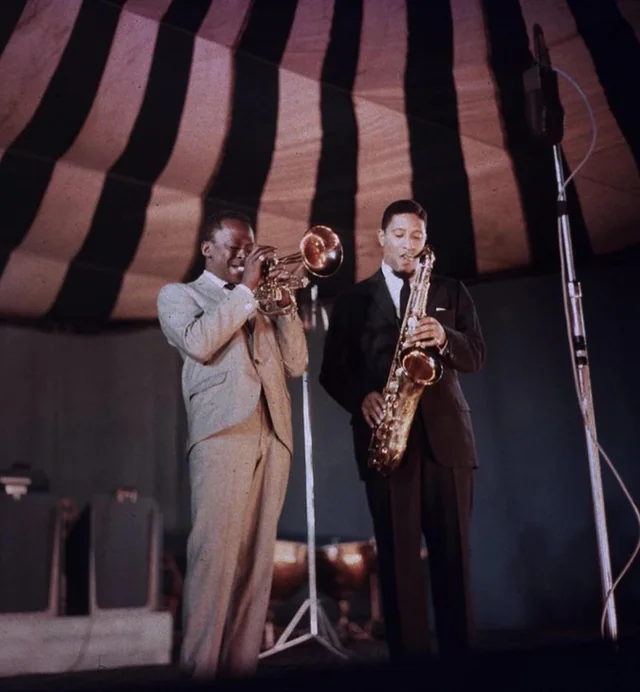
In the mid-1950s, modern jazz was hitting a fever pitch. Hard bop was morphing from an experiment into a subgenre defined by blues-drenched grit and fierce rhythmic drive. At the absolute center of this movement stood Miles Davis, looking for the perfect voices to form his definitive group. While history rightfully praises the "First Great Quintet" featuring John Coltrane, there is a fascinating alternate timeline that almost became reality: a permanent, legendary lineup featuring the towering presence of Sonny Rollins.
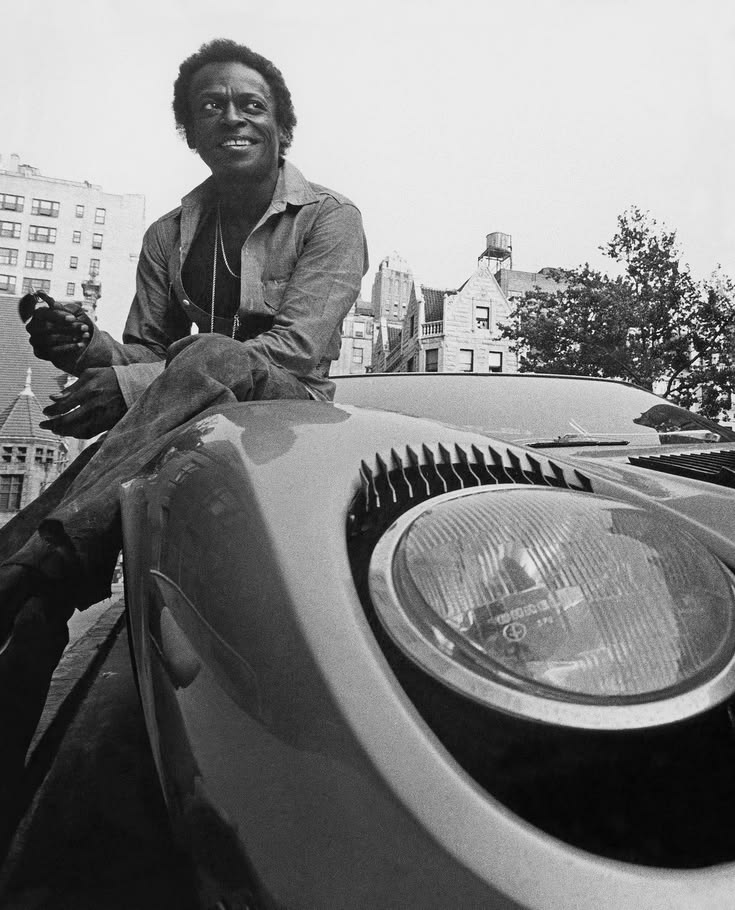
The Prestige Era Proximity
Miles and Sonny were no strangers to each other's brilliance. They had gigged and recorded together consistently throughout the early '50s, producing historic sessions for Prestige Records. Rollins wasn’t just a filler saxophone player—he was Miles’s absolute first choice. Sonny’s robust, muscular tone and brilliant thematic improvisation formed a sharp, perfect contrast to Miles's spacious, lyrical, and piercing trumpet styles.
"Sonny was the guy everyone was looking at. He had the speed, the ideas, and the raw power to push Miles into an entirely different gear."
When Miles finally shook his personal demons in 1954 and signed his landmark deal with Columbia Records, he set out to assemble a stable, heavy-hitting quintet. He immediately looked to Sonny to fill the tenor saxophone chair. With a rhythm section backed by powerhouses like Philly Joe Jones and Paul Chambers, the combination promised to reshape American music completely.
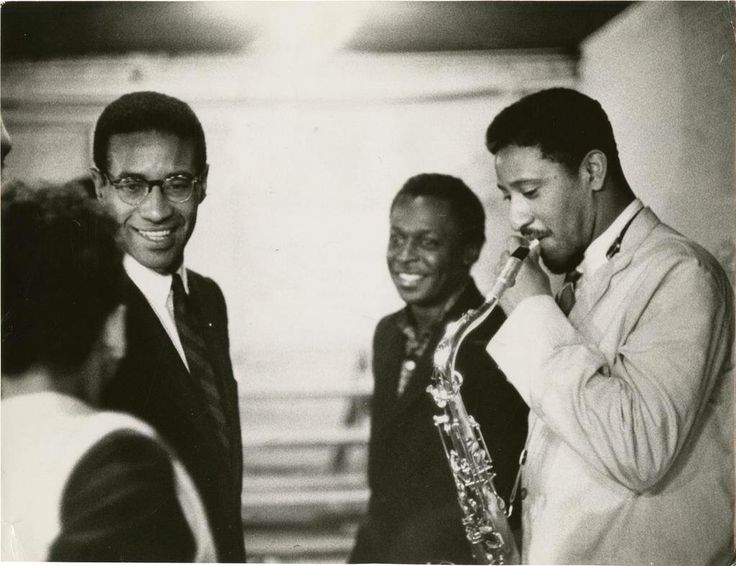
The Disappearance and The Pivot to Coltrane
So, why didn't it last? The answer lies within Sonny Rollins's relentless, almost spiritual pursuit of perfection. Just as the momentum was building, Sonny chose to step away from the fast-paced New York jazz scene. Seeking to clear his head, focus on his health, and practice away from the spotlight, he temporarily relocated to Chicago and effectively withdrew from regular touring cycles.
Faced with looming club dates and recording contracts, Miles had no choice but to find a replacement. That replacement was a relatively unknown, fiercely criticized young tenor player named John Coltrane. The rest, as they say, is history. Coltrane grew exponentially inside that environment, creating a completely different kind of magic with Miles.
What Might Have Been
If Rollins had stayed, the First Great Quintet would have been built on absolute confidence rather than the tense, exploratory vulnerability that Coltrane brought. Rollins was already a master at the top of his game; his interplay with Miles was conversational and sharp, grounded in a shared understanding of space and bebop vocabulary.
Listen: The Sonic Synergy in Action
While we are left with only a handful of studio sessions and live fragments of this lineup, they remain a monument to what could have been the most formidable, heavy-swinging tandem in jazz history. A masterclass pairing that burns bright in the archives of jazz mythology.